


[ MAIN IDEA ]
Three years ago I was teaching web development at a bootcamp. ChatGPT was generating kludgey code and writing SQL. My students kept asking me questions that they could’ve easily gotten from ChatGPT during my lecture. After polling them, only about 10% of them had an account. I stopped the lecture to share my screen and ask ChatGPT the question they just asked me. They were amazed, and the rest of the class stopped paying attention to me as they created an account and played around with it.
Then I quit.
Shortly after, I made a YouTube video encouraging people to just open-source 95% of their code, arguing that code’s inherent value is going to plummet anyway. Some people agreed, some got offended. Either way, it happened.
I’m not always right about these things, but I’ve found that if you put in the work and read between the lines, you can’t help but build convictions.
After delegating daily coding to agents and 5Xing PR velocity the last few months, I have a new conviction.
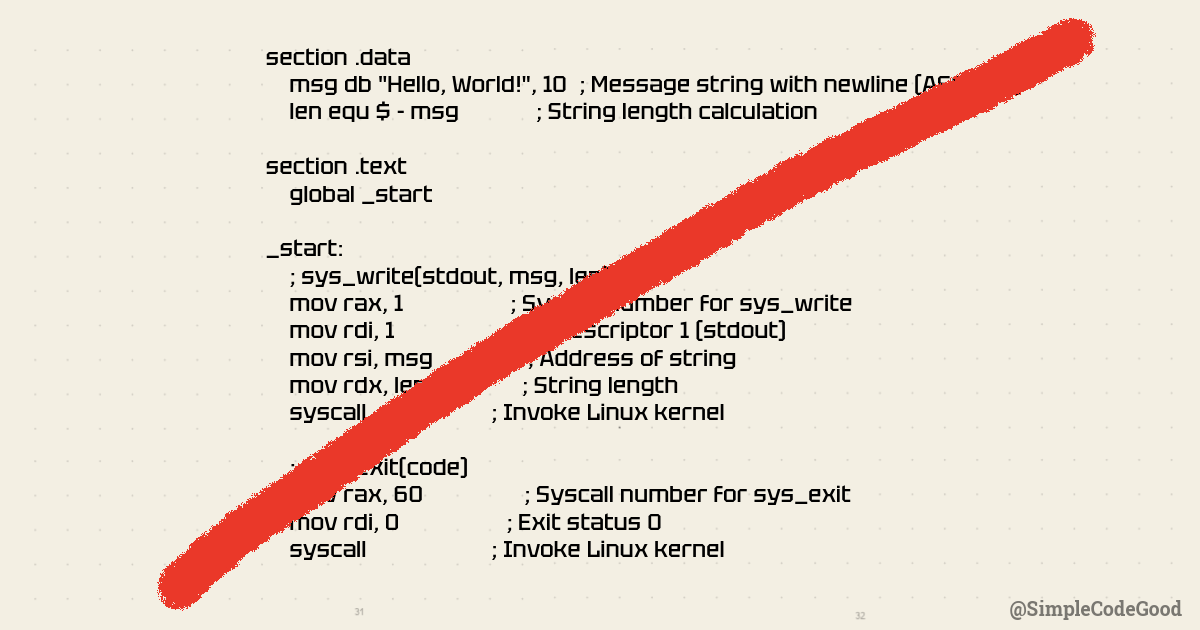
Code won’t be a thing for long.
Sure, our sites and apps will run on code. Those who learned to code by hand will have a deeper understanding and more nuanced prompts, just like those who went to trade school to become a mechanic will know how to diagnose a squeak faster. But code won’t be something we think about as valuable on its own. Code won’t be something we think about at all. Syntax, algorithms, frameworks, languages, who cares.
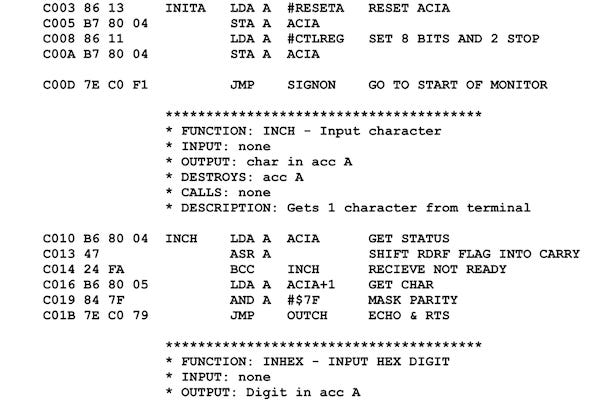
Identifying as a coder of JavaScript will be like identifying as a coder of Assembly: silly. There won’t be ‘${LANGUAGE} Engineer’ jobs, there’ll just be Engineers. Going to ${LANGUAGE} conferences will seem weird.
PRODUCT IS THE NEW CODE
Instead of the language or framework we use to make the thing, we’ll identify by the thing we make.
“I’m Bob, I make budgeting apps for SMBs.”
“I’m Jill, I make calendar apps for remote workers.”
“I’m Hillary, I make tools to help lawyers get leads for workers comp cases.”
The time we used to spend learning a new API version or performance tuning will be spent talking to customers or marketing.
Instead of owning one small module, one engineer will own the entire repo.
Instead of having to raise VC to pay for 5 SWE salaries, an ambitious guy with an idea will spend $1,000 in tokens and create the MVP overnight.
WHAT THIS MEANS
I’m still wrapping my head around how this changes the world and our psychology. However, the spirit of this newsletter is to share my notes as I go, so here’s what I’ve got so far.
Products become living entities. Many versions of a product will exist at a time and we will be able to adapt it with a grumble. Making apps will be more like playing with play-dough than laboring at the keyboard.
Humans become the scarce resource. There are only so many eyeballs, credit cards, and human time available. As long as humans are the ones who gate-keep their wallets and attention, they will be the ones people compete for.
Reputation will be the GTM. A digital trail of undeniable proof and a lack of scandal will do more to convince people than a campaign or a glossy sans-serif landing page.
What do you think? How will the abstraction of code impact our lives and work in the near-future?
[ INSPO ]

If you liked this post, consider sharing it on Hacker News so others can find it.